On-street Home-Charging?
Home charging an EV is between half and one tenth of the cost of using public chargers, so if you don't have off-street parking you may be wondering how to get a cable across the pavement outside your home without inconveniencing anyone.
Besides cost, there are several other advantages of on-street
home-charging listed
here .
The obvious solution of using a rubber ramp protector for the cable is acceptable to a few councils, but other councils ban them.
This is because the bump is an irritation to users of wheelchairs and child buggies. There are also reports of the lighter models being blown over in the wind and becoming an even bigger hazard.
The alternative of holding the cable below ground level is principally
offered by
Stormguard and
Kerbo Charge.
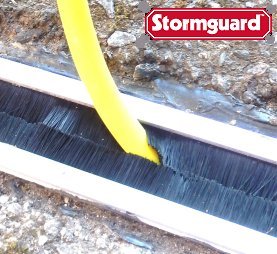
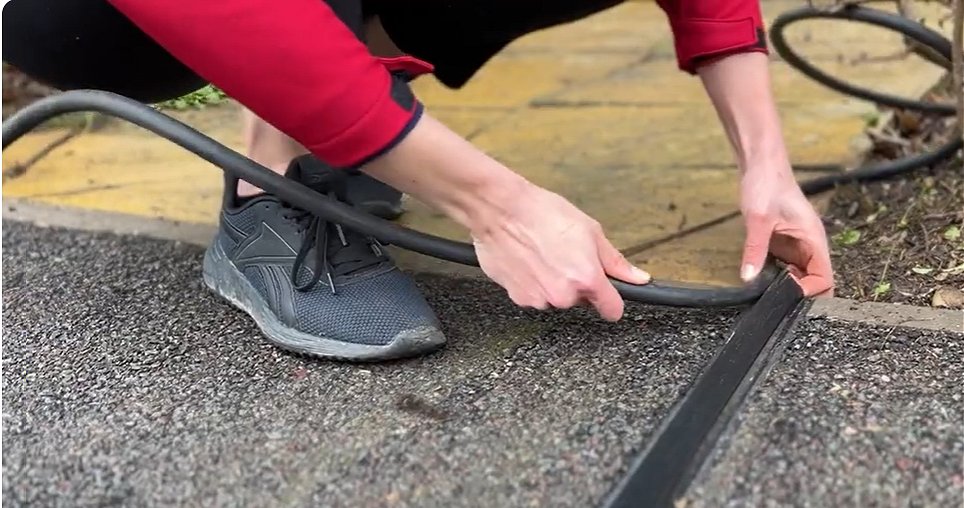
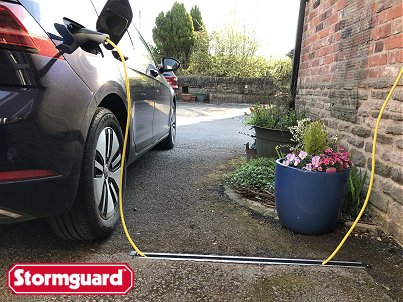
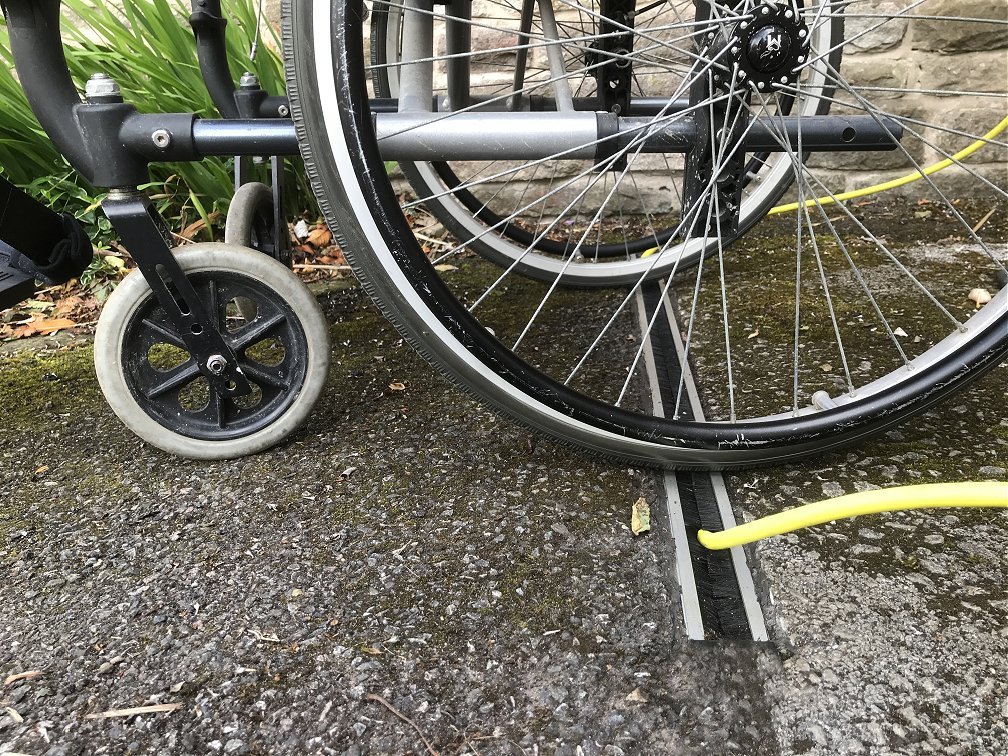
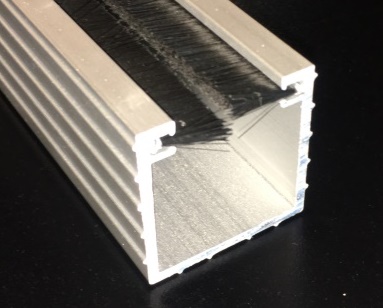
Stormguard use brush strips to hold the cable down,
which makes it marginally easier to insert the cable than Kerbo Charge
(it requires less bending down), while Kerbo Charge use a rubber flap to hold
the cable down, and the flap removes any concern about stiletto heels
entering the channel.
Stormguard have sold mainly to the building trade, providing an anti-trip
solution on private land.
Kerbo Charge have a higher public profile, having secured investment by
Deborah Meaden on Dragons Den, and have put a lot of time into persuading
about 15% of the UK's 300 local authorities to approve their product.
Both products require only a 5cm wide and 5cm deep incision in the pavement,
but public pavement installation has to be carried out by a council approved contractor,
and but
£500 grant funding (not available in Wales and Scotland) reduces the total cost
to customers to between £500 - £900.
Quite separately, the Dutch company ChargeArm took a completely different approach; taking the cable overhead, and while some councils welcomed the idea, others thought that it required planning permission (and there are 300 different UK local authorities).
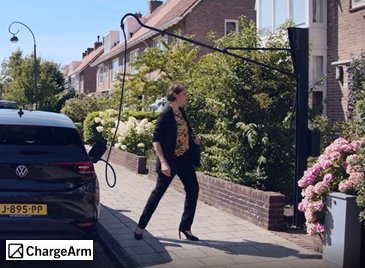
The Charge Arm comprises quite a lot of engineering, and as a result, also costs over £1000.
But there is also a quick-to-install and low-cost way of
keeping the cable out of the way of pedestrians, without disturbing the
pavement, FlexEV
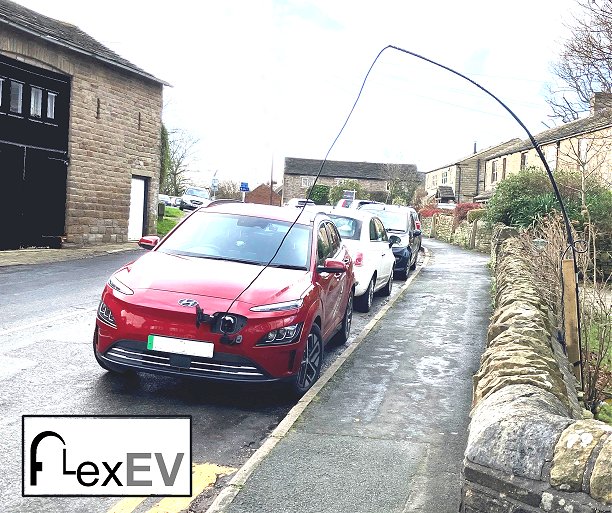
How does FlexEV compare with the cable channels?
- Much cheaper at £49.50
including postage.
- Speed of installation: Three strong
screws firmly fix the base wand to a wall or post.
- Visually: Much less discrete
than the channels, but also only deployed when needed, and quick to
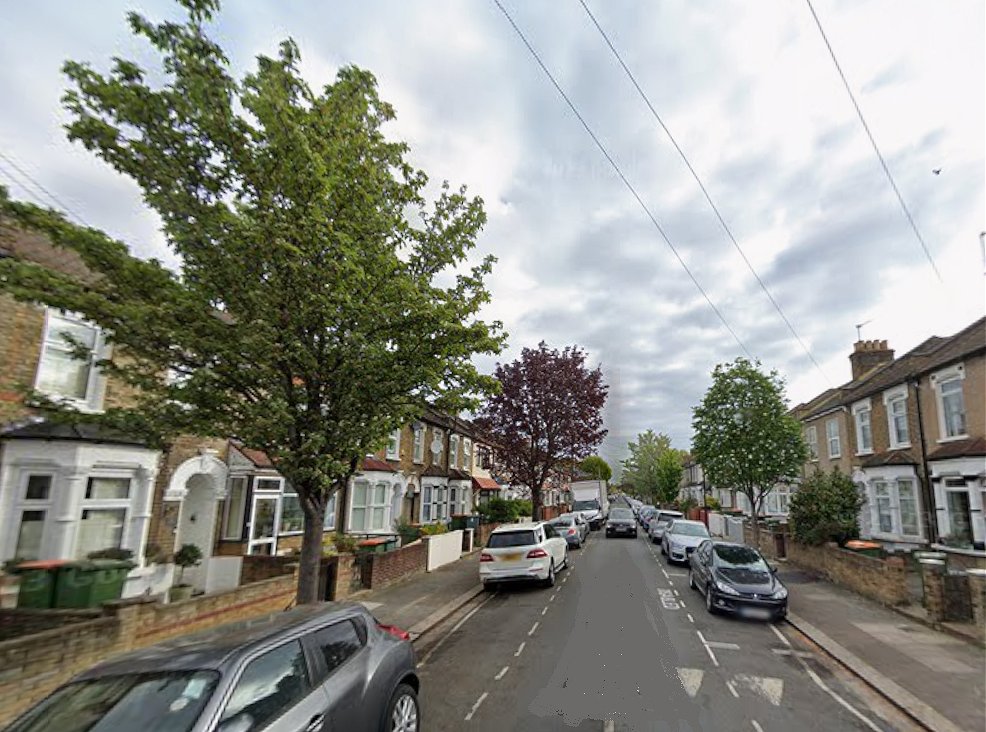
remove. (2 minutes without tools). And it is no more of an obstruction than avenue trees:-
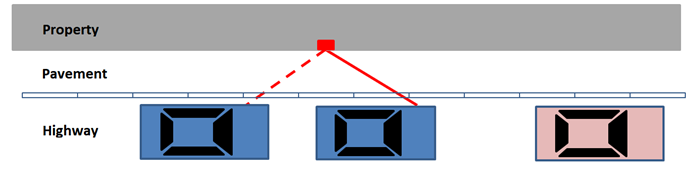
- Very tolerant of variable parking position:
The arc covered by the wands gives flexibility.
- Keeps the cable clean and off
the ground.
- No disturbance of council-owned pavements.
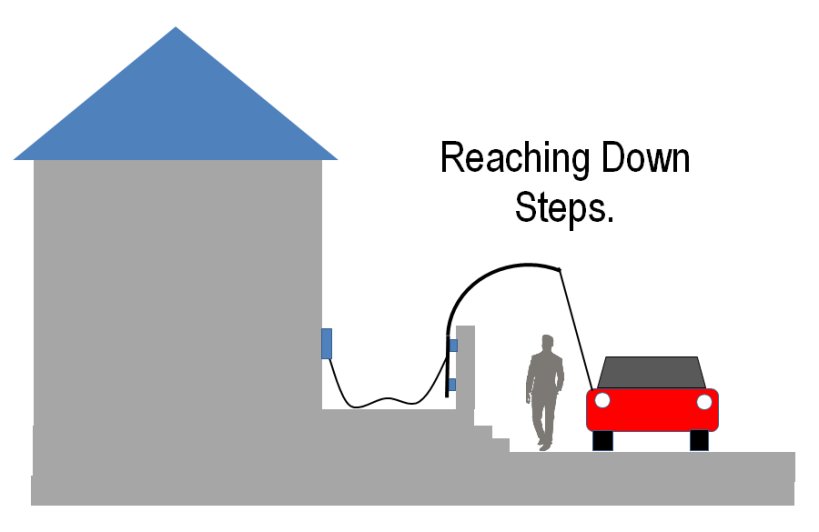
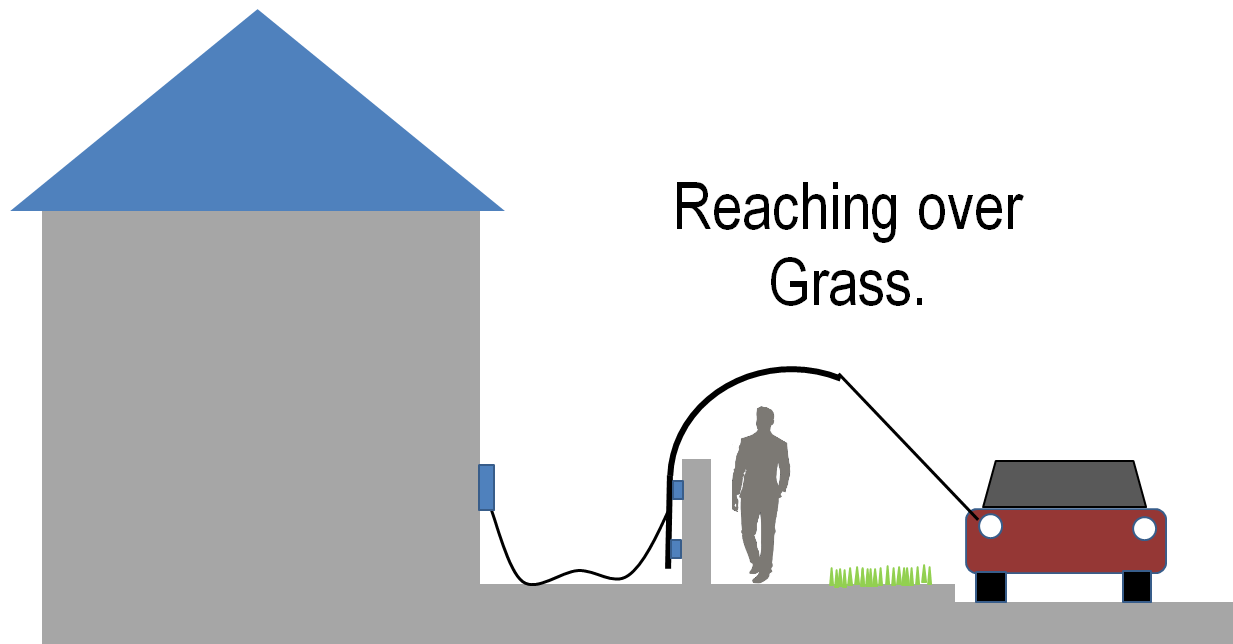
- Better than a channel or rubber ramp on loose surfaces
such as grass or gravel, and accommodates steep or stepped hard surfaces.
- Speed of removal: the wands
and cable can be simply lifted off the base and put away in about 2
minutes - or the
assembly can be simply swivelled around, away from the street and over
the owner's property.
(Low-mileage users might only deploy the wands for a few hours once a week).
- How much headroom does it create?
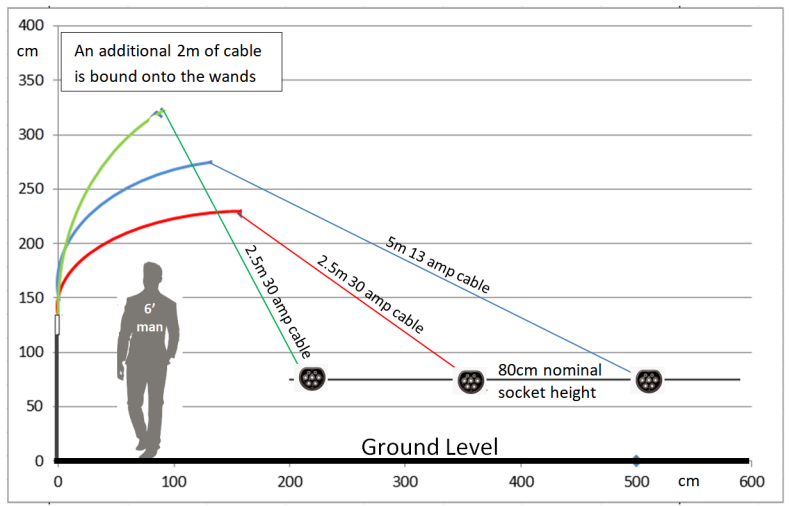
- Is FlexEV approved by councils?
See detailed answer
here.
- Fast Payback: If used to enable cheap off-peak home charging, the cost
could be recovered in just a couple of weeks.
(E.G. 9 pence per kWh* instead of 60p, and the car travels 3 miles per kWh =3x£50/51p= 294 miles to recover the cost - that's about 2 weeks at the average 8,000 miles per year)
*The Octopus Go off-peak tariff from 1st May 2026 = 8.625 p/kWh.
How Does it Work?
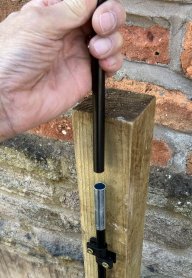
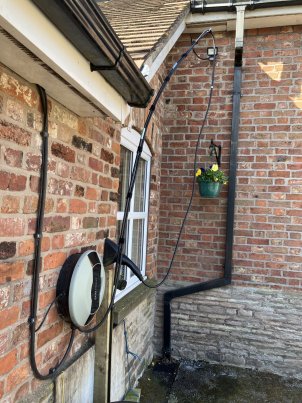
The 'base wand' is fixed to a vertical post or wall using just three screws and robust cable clips.
The charging cable is laid out straight on the ground and marked with a piece of tape at about 2.5m from the car end.
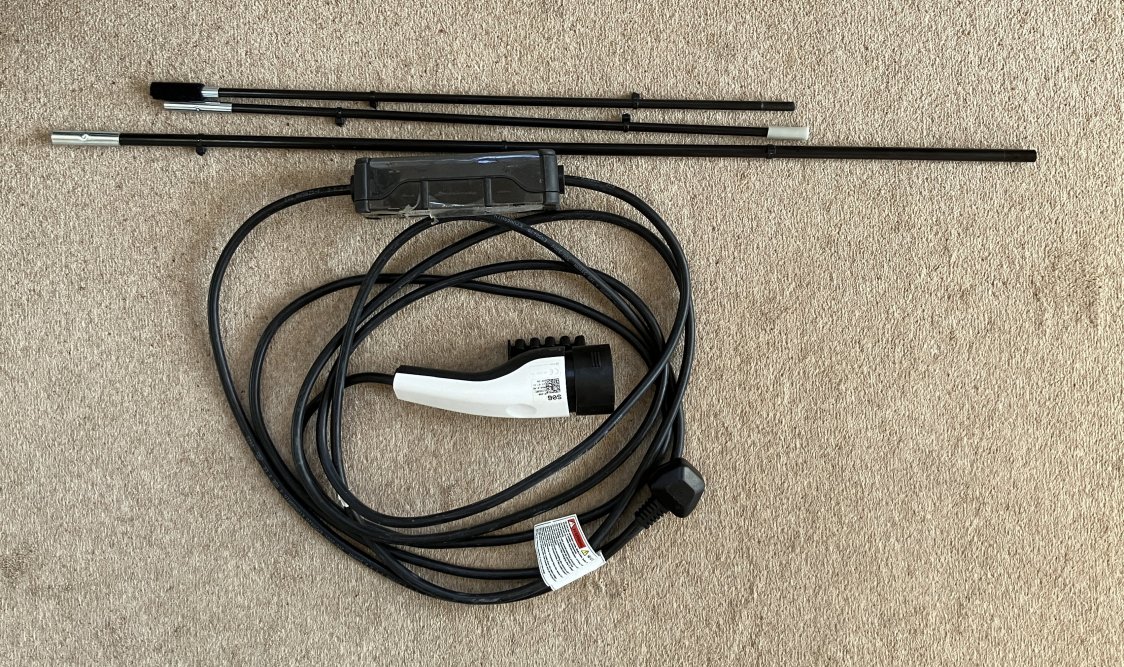
Three further wands are slotted together and laid beside the cable, with the
tip aligned with the mark on the cable.
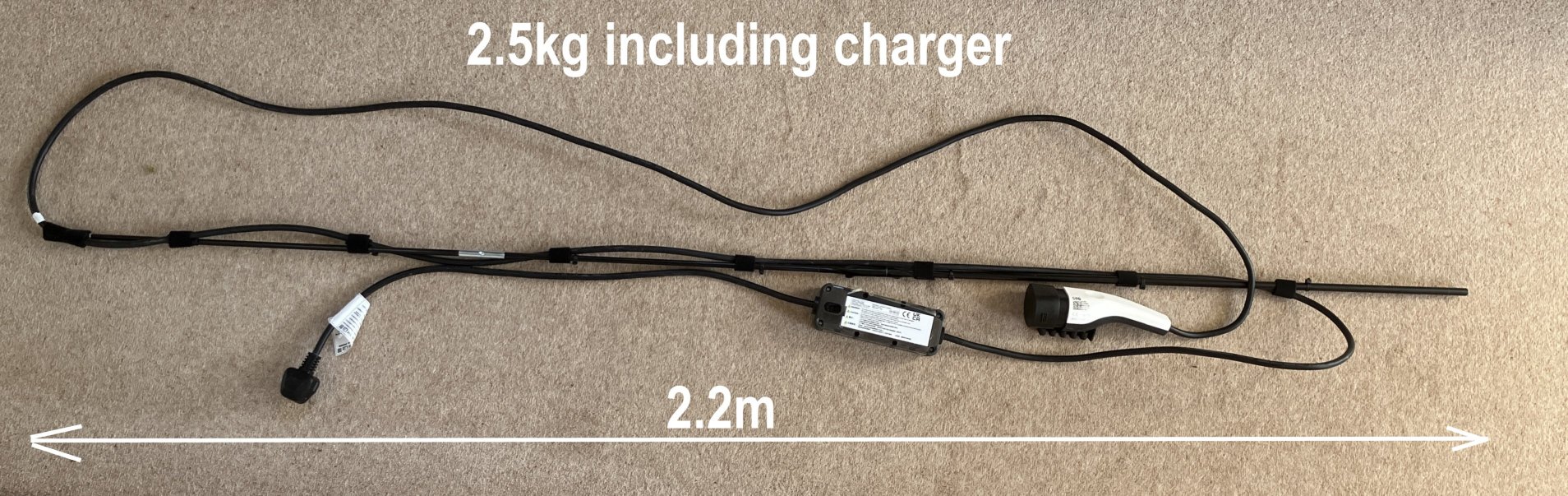
The cable is then fixed to the wands at intervals, either with double sided velcro wraps (for ease of disassembly), or with a spiral cable wrap for neatness.
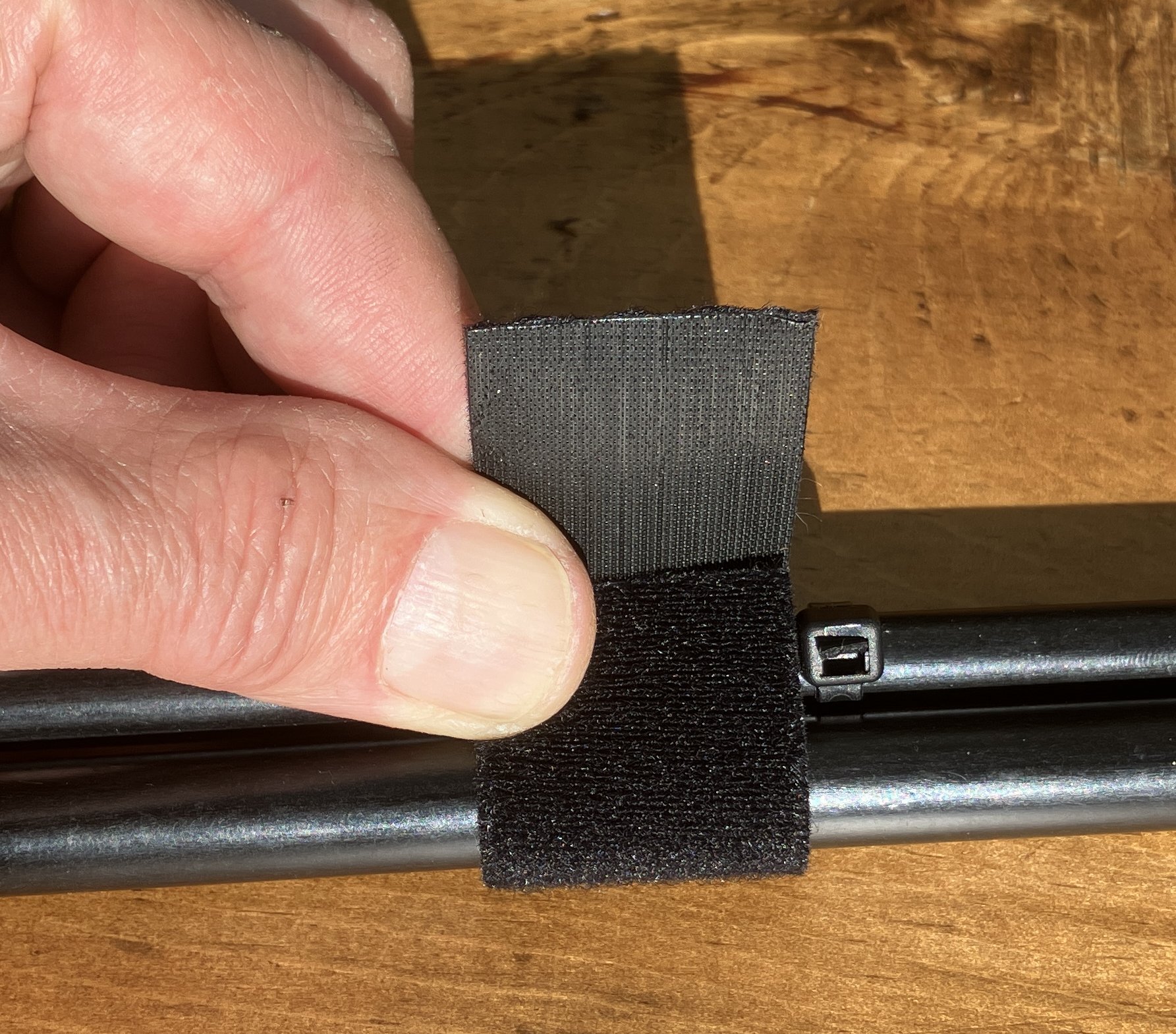
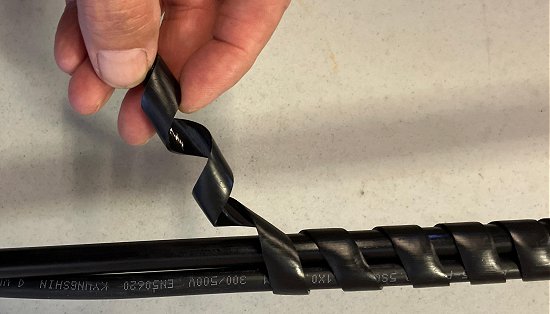
Then you can simply slot the assembly into the base wand, and take the plug to the car's charging port.
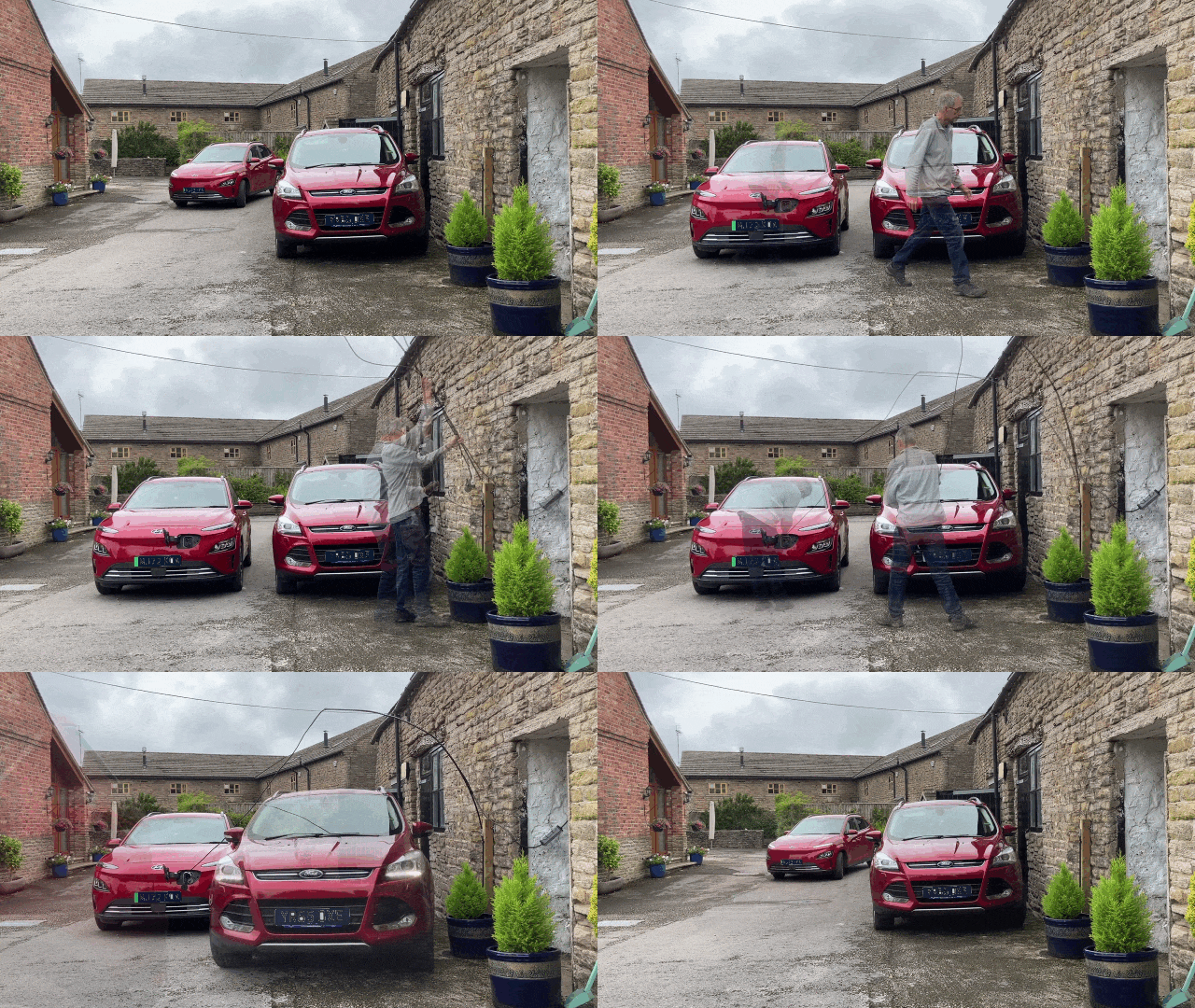
When not in use, the wand can be swung around into a stowage position parallel to the wall:-
...or, if the cable is not permanently connected, the wand and cable can be retrieved in one piece, and taken indoors:-
... or dismantled in about 2 minutes (if velcro wraps are used).
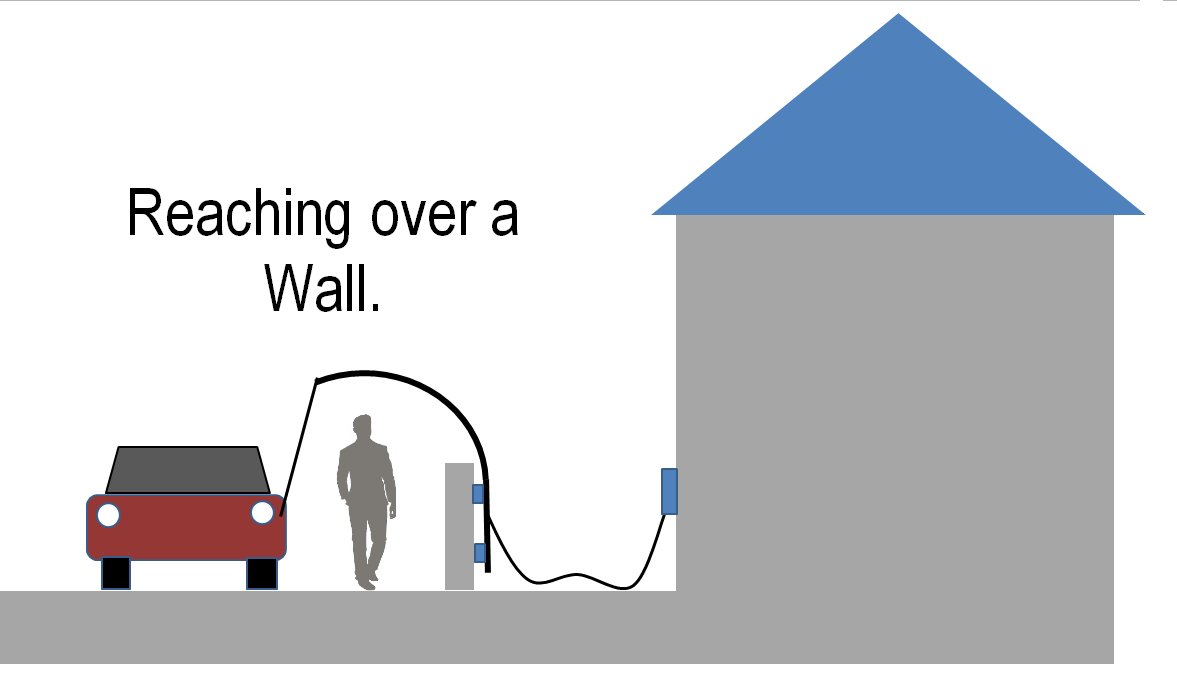 Over-wall Mounting |
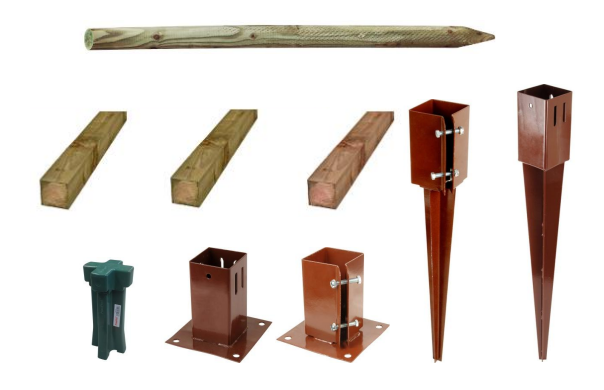 Fixing Post Options |
 offers a self-assembly kit of parts with
a detailed
offers a self-assembly kit of parts with
a detailed user guide.
(The charging cable itself and the spiral wrap are not included.
but the wrap is available separately from B&Q.)
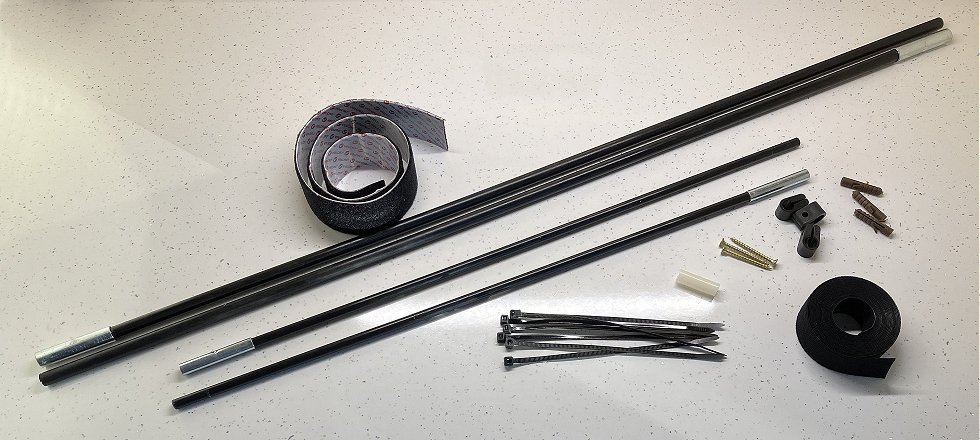
£49.50 including postage.

Ebay item:- 227317721326
(formerly 227094215096)
Technical Support Tel: 07825 702020 enquiry@flexev.co.uk